Elastomeric roof coatings that reflect the Arizona sun
A quality elastomeric coating adds a flexible, waterproof, reflective layer to flat and low-slope roofs, often extending the life of a sound roof without a full replacement.
Last updated
The short answer
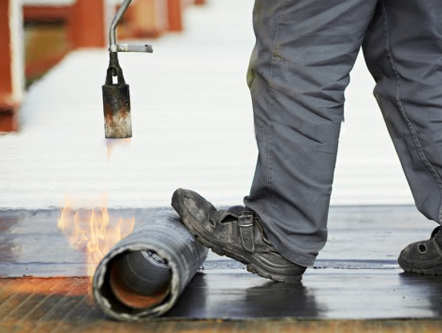
An elastomeric roof coating is a thick, flexible liquid-applied membrane (such as acrylic or silicone) that stretches and contracts with the roof as temperatures change. It waterproofs the surface and reflects sunlight, which helps reduce heat absorbed by the roof. It works best on roofs that are structurally sound and dry.
Benefits of elastomeric coatings
Arizona roofs can swing dramatically in temperature between day and night. Elastomeric coatings flex with that movement instead of cracking.
- Seamless waterproof layer
- Reflects sunlight to reduce roof heat
- Flexes with expansion and contraction
- Protects foam and other flat-roof surfaces from UV
- Can extend the life of a sound roof
Is your roof a good candidate?
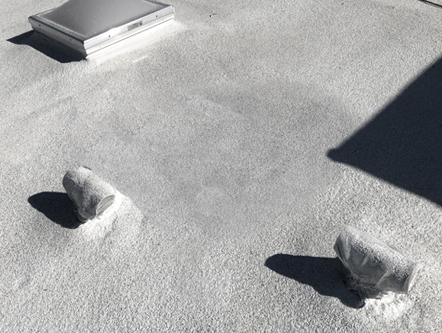
Coatings protect a roof; they don't fix a failed one. The roof must be dry, solid, and properly prepared: cleaned, repaired, and primed where needed. We'll inspect the roof and tell you honestly if coating or replacement is the right move.
Coatings are made for flat and low-slope roofs such as foam, modified bitumen and built-up roofs. Tile and shingle roofs are not candidates for elastomeric coating.
Acrylic vs silicone vs other coatings
“Elastomeric” describes how the coating behaves, not one product. The main types each have strengths.
- Acrylic: water-based, very reflective and widely used on Arizona foam roofs; best where the roof drains well
- Silicone: resists ponding water and UV well; new coats generally need to be silicone too, since most other coatings won't stick to it
- Polyurethane and others: tougher against foot traffic and impact; sometimes used as a base coat or in high-traffic areas
How a coating is applied
Preparation matters more than the coating itself. The roof is cleaned of dirt, dust and loose material, and any wet areas, blisters, open seams and failed flashing are repaired. Seams and transitions are often reinforced with fabric embedded in coating, and a primer is used where the surface needs it.
The coating then goes on in one or more coats to a specified thickness. Thickness is what gives a coating its life, so a properly measured application lasts longer than a thin coat spread to cover more area.
Ponding water and coatings
Water that sits on a roof for days is hard on most coatings, and acrylics in particular can soften and wear under standing water. If your roof ponds, we look at fixing the drainage first, for example with tapered foam or by clearing scuppers and drains, or we recommend a coating made to tolerate ponding.
Signs your coating is worn
Check the roof surface every year and after monsoon storms.
- A chalky residue that rubs off on your hand
- Thin spots where the color of the layer underneath shows through
- Cracking, peeling or flaking, especially around edges
- Bare foam or exposed seams
- Dirt-stained low spots where water sits
Cool roofs and timing
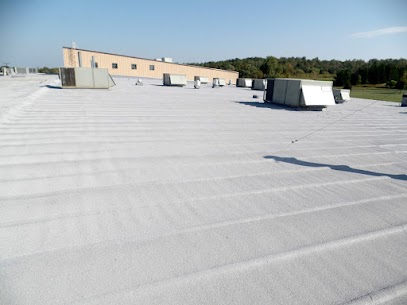
A bright white coating reflects much of the sun's energy and releases heat it does absorb. Dust lowers reflectivity over time, so a light rinse when the roof is cleaned helps. Coatings need dry weather to cure, so we plan around monsoon storms and cool, damp nights. For cost factors, see the Roofing Cost Guide.
Related services
Spray Foam Roofing
Our featured system: seamless, insulating, renewable roofs.
Learn moreFoam Roofing
Seamless, insulating flat roofs: install, repair, recoat.
Learn more
Flat Roofing
Low-slope roofs on homes, patios and businesses.
Learn more
Commercial Roofing
Flat roofs, foam, coatings and maintenance for businesses.
Learn moreFrequently asked questions
Still have a question? Call the office at 602-548-3770, Monday to Friday, 7 am to 5 pm.
What is an elastomeric roof coating?
A thick, flexible, liquid-applied coating, commonly acrylic or silicone, that creates a seamless waterproof and reflective membrane over a roof.
How long does an elastomeric coating last?
It depends on the product, thickness applied and exposure. Coatings are typically renewed every several years; thicker applications last longer.
Can a coating stop my roof from leaking?
A coating can seal minor surface issues, but active leaks and wet or damaged areas must be repaired first. Coatings work best on sound, dry roofs.
Does a reflective roof coating lower energy bills?
Reflective coatings reduce how much heat the roof absorbs, which can lower cooling demand in hot climates. Actual savings depend on the building, insulation and HVAC system.
What roofs can be coated?
Foam roofs, many modified bitumen and built-up roofs, and other low-slope surfaces in good condition.
Is acrylic or silicone coating better?
Neither is best for every roof. Acrylic is reflective and cost-effective on roofs that drain well. Silicone handles ponding water better but limits future recoats to silicone. We recommend based on your roof's drainage and existing surface.
Can I put acrylic over an old silicone coating?
Generally no. Most coatings won't bond to silicone, so a silicone roof is usually recoated with silicone. That's worth knowing before you choose a coating the first time.
Can a tile or shingle roof be coated?
No. Elastomeric coatings are meant for flat and low-slope roofs. Tile and shingle roofs rely on underlayment, overlap and flashing to shed water, and coating them can cause more problems than it solves.
What is the best time of year to coat a roof in Arizona?
Coatings need dry conditions and mild-to-warm temperatures to cure, so dry stretches outside monsoon season work best. Very cold or damp nights can also slow curing.
How thick should a roof coating be?
Thickness depends on the product and the roof, and it's specified in mils by the coating maker. A thicker, properly measured application lasts longer than a thin one.
Why does my coated roof look dirty?
Dust settles on every Arizona roof and can reduce reflectivity. Dark, stained patches often mark spots where water ponds, which should be checked for drainage problems.
How much does an elastomeric coating cost?
Every roof is different. Size, prep work, repairs, coating type and thickness all affect price. See our Roofing Cost Guide at /resources/roofing-cost-guide/ or call 602-548-3770. If we don't answer, leave a message and we'll return your call within 24 hours.
Let's take a look at your roof.
Call the office at 602-548-3770 to schedule an estimate, Monday to Friday, 7 am to 5 pm. If we don't answer, leave a message and we'll return your call within 24 hours.