Roof inspections that catch problems early
A roof can look fine from the street and still have cracked tiles, failing underlayment or worn flashing. An inspection tells you exactly where your roof stands and what, if anything, needs attention.
Last updated

The short answer
A roof inspection is a hands-on check of your roof covering, underlayment (where visible), flashing, penetrations, valleys, drainage and signs of leaks. In Arizona, it's smart to inspect your roof once a year, ideally in spring before monsoon season, plus after major storms and before buying or selling a home.
Why inspect a roof that "looks fine"
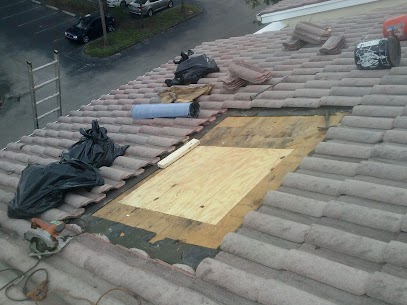
Most roof damage isn't visible from the ground. Tiles crack from foot traffic and heat, underlayment dries out under the tiles, and sealants around vents shrink in the sun. By the time there's a stain on the ceiling, the water has usually been getting in for a while.
A routine inspection is the least expensive way to protect the most expensive part of your home's exterior.

When to schedule an inspection
Some timing makes more sense than others. Book a roof inspection:
- In spring, before monsoon season starts June 15
- After a monsoon storm with strong wind, heavy rain or falling branches
- Before you buy a home, so you know the roof's condition before closing
- Before you list a home, so there are no surprises during the buyer's inspection
- When a tile roof reaches about 20–25 years, when underlayment often starts to wear
- Before adding solar panels or other equipment to the roof
- When you notice a stain, a drip or broken tiles
What to expect on inspection day
We'll ask about any leaks or stains you've seen, then inspect the roof itself, working carefully so we don't crack tiles while we walk. We check the covering, flashing, valleys, penetrations and drainage, and photograph anything that needs attention.
When we're done, we walk you through the photos and explain what we found in plain language. If repairs are needed, you'll get a clear estimate. If the roof is in good shape, we'll tell you that too.
Inspections for buyers and sellers
A general home inspector covers the whole house and often views the roof from a ladder or the ground. A roofing contractor looks more closely at the roof alone: how the underlayment is holding up, whether flashing is sound, and roughly how much life is left.
For buyers, that helps you plan for repairs or negotiate before closing. For sellers, an inspection before listing lets you fix small issues on your own schedule instead of during escrow.
What you can check from the ground
Between inspections, a quick look from the yard can catch problems early. Never climb onto the roof to check. Look for:
- Cracked, slipped or missing tiles, especially along ridges and edges
- Lifted or missing shingles after wind
- Debris piled in valleys or around roof drains
- Peeling or bare patches on foam or coated flat roofs
- New stains on ceilings or around light fixtures inside
Inspection checklist
What we look at
Roof covering
Cracked, broken, slipped or missing tiles and shingles; foam and coating wear.
Leak points
Signs of water entry, staining, and soft or damaged decking.
Flashing
Walls, chimneys, skylights, valleys and roof-to-wall transitions.
Penetrations
Plumbing vents, HVAC, solar mounts and satellite dishes.
Heat & UV wear
Brittle underlayment, dried sealants and coating breakdown.
Clear findings
Photos of what we found and our recommendation: repair, maintain, or replace.
What to expect
- 1
Inspection & estimate
We inspect the roof, photograph what we find, and give you a clear estimate for repair or replacement.
- 2
Scheduling
Once you approve, we coordinate materials and schedule the job around you.
- 3
The work
Our crew completes the repair or replacement to manufacturer and code requirements.
- 4
Quality check
We manage the project to completion and do a final quality-control walkthrough.


Frequently asked questions
Still have a question? Call the office at 602-548-3770, Monday to Friday, 7 am to 5 pm.
How often should a roof be inspected in Arizona?
At least once a year, ideally in spring before monsoon season begins June 15, and again after any major storm. Older roofs benefit from more frequent checks.
Should I get a roof inspection when buying a home?
Yes. A general home inspector looks at the roof, but a roofing contractor can give you a closer look at the roof's condition, the remaining life, and what repairs may be needed — useful information before you close.
What happens during a roof inspection?
We check the roof covering, flashing, valleys, penetrations, drainage and visible signs of leaks, document what we find with photos, and explain our recommendation.
How long does a roof inspection take?
Most residential inspections take about an hour, depending on the roof's size, pitch and access.
Do I need to be home for the inspection?
It helps if you can be there so we can walk you through what we found, but it isn't always required for an exterior roof inspection. We'll arrange the details when we schedule.
Can an inspection help with an insurance claim?
Our photos and findings document the roof's condition and any damage, which you can share with your insurance company. Coverage decisions are made by your insurer.
How much does a roof inspection cost?
Our roof inspections are a paid service, not free. The price depends on the roof's size, type and access, so call the office at 602-548-3770 for the current cost before you schedule. For typical Phoenix-area price ranges, see our roofing cost guide at /resources/roofing-cost-guide/.
Can you tell how much life my roof has left?
We can give you a general idea based on the roof type, age and condition. On tile roofs, the underlayment usually decides the remaining life, and it often starts wearing out after about 20–25 years.
Do you inspect foam and flat roofs?
Yes. On foam and flat roofs we look at the coating, blisters, punctures, seams, ponding water and the drains and scuppers that carry water off the roof.
Will walking on my tile roof break tiles?
Tile can crack if it's stepped on in the wrong place. Experienced roofers walk where tiles are supported and avoid the weak points. That's also why we recommend homeowners stay off tile roofs.
What should I tell you before the inspection?
Let us know about any leaks or stains, when they appear, the roof's approximate age, and any past repairs. That helps us focus on the areas that matter most.
What happens if the inspection finds a problem?
We'll show you photos, explain whether it's a repair, maintenance or replacement issue, and give you a clear estimate. There's no pressure to decide on the spot.
Let's take a look at your roof.
Call the office at 602-548-3770 to schedule an estimate, Monday to Friday, 7 am to 5 pm. If we don't answer, leave a message and we'll return your call within 24 hours.