
Damaged roof? Let's find out how bad it is
Monsoon winds, falling branches, hail and heat can all damage a roof. We inspect it, document the damage, and make a repair that holds up to the next storm.
Last updated
The short answer
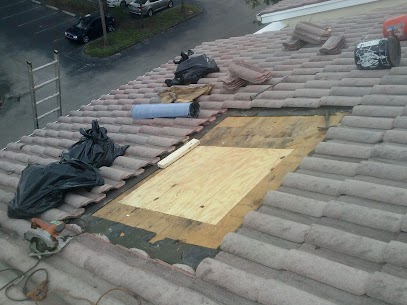
After a storm, look for missing or lifted shingles, cracked or displaced tiles, punctures or exposed foam on flat roofs, debris in valleys, and new stains on ceilings. If you see damage, call Integrity Roofing during business hours to inspect and document it. Don't walk on a damaged roof yourself.
Common types of roof damage in Arizona
Arizona's monsoon season (June 15–September 30) brings sudden high winds and heavy rain. Combined with year-round heat and UV, that's a tough environment for any roof.
- Wind-lifted or missing shingles
- Cracked, broken or slipped tiles
- Punctures, blisters or exposed foam on flat roofs
- Damage from falling branches or debris
- Water intrusion from clogged valleys and drains
- Heat-cracked sealants and flashing

What to do after a storm
- Stay safe. Don't climb onto a wet or damaged roof.
- Protect the inside. Move belongings away from leaks and contain dripping water.
- Take photos. Photograph visible damage from the ground and any interior water stains.
- Call us. Phone 602-548-3770 (Monday to Friday, 7 am to 5 pm) to schedule an inspection. If we don't answer, leave a message and we'll return your call within 24 hours.
- Contact your insurer if you plan to file a claim. Our photos and findings can help document the damage.
Damage you can't see from the ground
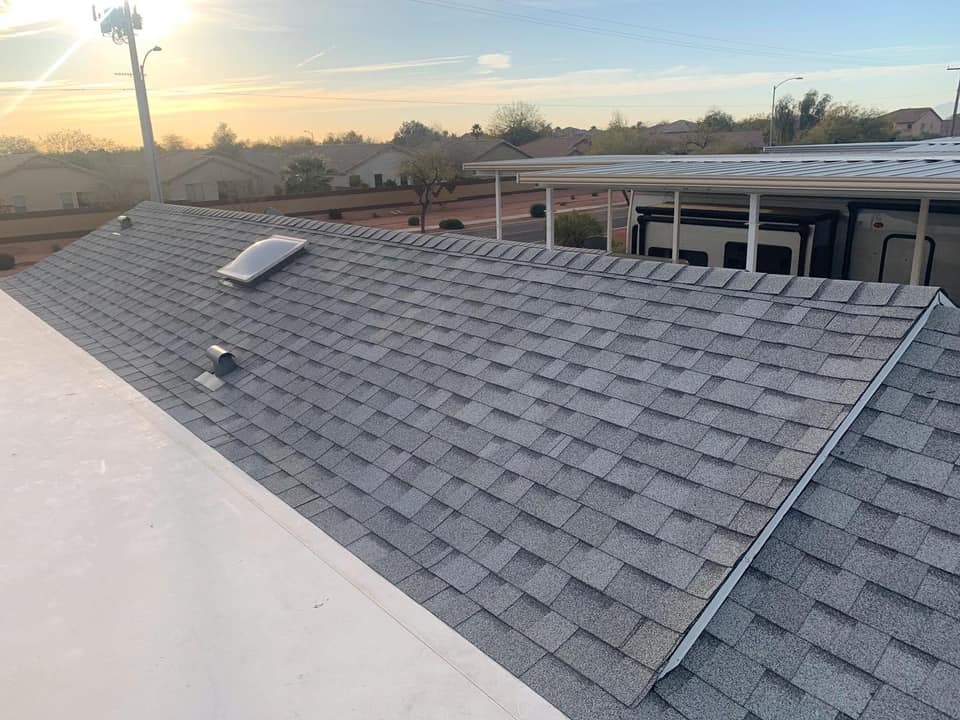
Some storm damage is obvious, like a tile lying in the yard. Much of it isn't. Wind can lift tiles just enough to crack them or shift them off their battens without them falling. It can break the seal on shingles so they flap in the next storm, or drive rain under flashing and into the underlayment.
Signs often show up days or weeks later: a stain that slowly spreads, a musty smell in a closet, or a drip during the next storm. If a strong storm passed over your home, an inspection is worth it even if nothing looks wrong.
How we assess storm damage
We look at the whole roof, not just the obvious spot. That includes the slopes facing the wind, ridges and edges where tiles and shingles lift first, valleys where debris piles up, flashing at walls and penetrations, and drains and scuppers on flat sections.
We photograph the damage and explain what's storm-related, what's normal wear, and what we recommend. That distinction matters if you're talking with your insurance company.
Heat damage counts too
Not all roof damage comes from storms. Months of high heat and UV dry out sealants, crack the coating on foam roofs, and make older underlayment brittle. Then the first monsoon storm finds the weak spots.
If your roof leaked in a storm that didn't seem severe, heat-related wear may be part of the cause. A spring inspection catches most of these issues before the storms arrive.
Working with your insurance company
Many homeowner policies cover sudden storm damage but not gradual wear. Your insurer decides what's covered. What we can do is document the roof's condition with photos and a clear explanation of what we found, which you can share with your insurance company.
Report damage to your insurer promptly, keep your own photos, and hold onto receipts for anything you spend protecting your home.


Frequently asked questions
Still have a question? Call the office at 602-548-3770, Monday to Friday, 7 am to 5 pm.
How can I tell if my roof was damaged in a storm?
From the ground, look for missing or lifted shingles, broken or shifted tiles, debris on the roof, dents in gutters, and granules collecting at downspouts. Inside, check ceilings and the attic for new stains or damp spots.
Should I get on the roof to check for damage?
No. Wet and damaged roofs are slippery, and walking on tile can break more tiles. Let a roofer inspect it.
Will insurance cover storm damage to my roof?
Many homeowner policies cover sudden storm damage, but not wear and tear. Coverage depends on your policy and your insurer's decision. We can document the damage with photos for you to share with your insurance company.
What if my roof is damaged on an evening or weekend?
Our office is open Monday to Friday, 7 am to 5 pm, and closed on Saturday and Sunday. Call 602-548-3770; if we don't answer, leave a message and we'll return your call within 24 hours. In the meantime, protect belongings inside and photograph the damage.
Can a damaged roof be repaired, or does it need to be replaced?
Most storm damage is repairable. Replacement is usually recommended only when damage is widespread or the roof was already near the end of its life.
How can I prepare my roof for monsoon season?
Have it inspected in spring, before monsoon season starts June 15. Replace broken tiles or shingles, clear valleys, gutters and roof drains, trim overhanging branches, and reseal flashing and penetrations.
How soon after a storm should my roof be inspected?
As soon as you can schedule it, especially if you see damage or a new stain. Damage left alone can let water reach the deck and the inside of your home, and the next monsoon storm can make it worse.
Can monsoon wind damage a tile roof?
Yes. Strong gusts can lift, crack or shift tiles, especially along ridges, hips and edges. Wind-driven rain can also get under displaced tiles and reach the underlayment.
Why did a stain appear days after the storm?
Water can soak into underlayment, decking or insulation and travel before it shows up on a ceiling. A stain that appears later still points to a roof problem worth checking.
Should I put a tarp on my roof?
We don't recommend climbing onto a damaged roof yourself. A tarp can limit water for a short time, but it isn't a repair, and installing one safely takes care. Call us to schedule an inspection.
How much does storm damage repair cost?
It depends on the type and extent of the damage and the roof material. See our roofing cost guide at /resources/roofing-cost-guide/ for the main factors. Every roof is different, so we'll give you an estimate after inspecting yours.
Can debris on the roof cause leaks?
Yes. Leaves and branches collect in valleys and around drains, slow the water down and push it sideways under tiles or onto seams. Clearing debris after storms is simple, effective maintenance.
Let's take a look at your roof.
Call the office at 602-548-3770 to schedule an estimate, Monday to Friday, 7 am to 5 pm. If we don't answer, leave a message and we'll return your call within 24 hours.