
Spray foam roofing for flat roofs
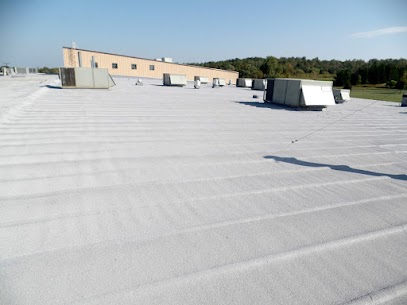
Spray polyurethane foam (SPF) is one of the most popular flat-roof systems in Arizona: seamless, lightweight, insulating, and renewable with a fresh coating.
Last updated
The short answer
A foam roof is spray polyurethane foam applied as a liquid that expands into a seamless, insulating layer, then protected with a UV-resistant coating. With regular recoating, a foam roof can last 20+ years. The coating is what wears, and when bare foam is exposed, it's time to recoat.
Why foam works in Arizona
Foam is sprayed on as a liquid and expands into one continuous layer with no seams, and seams are where most flat roofs leak. It adds insulation to the roof, and its reflective coating helps keep heat out of the building.
- Seamless, monolithic surface
- Adds insulation value
- Lightweight and often applied over existing roofs
- Can be shaped to improve drainage
- Renewable: recoat instead of replace
Foam roof repair and recoating
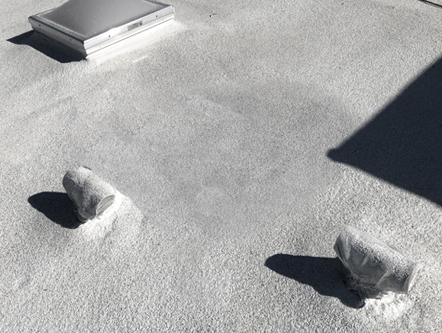
Birds, foot traffic, and UV exposure eventually wear through the coating. We repair blisters, punctures and damaged areas, then recoat the roof to restore protection. That is usually far less expensive than replacement.
How a foam roof is built
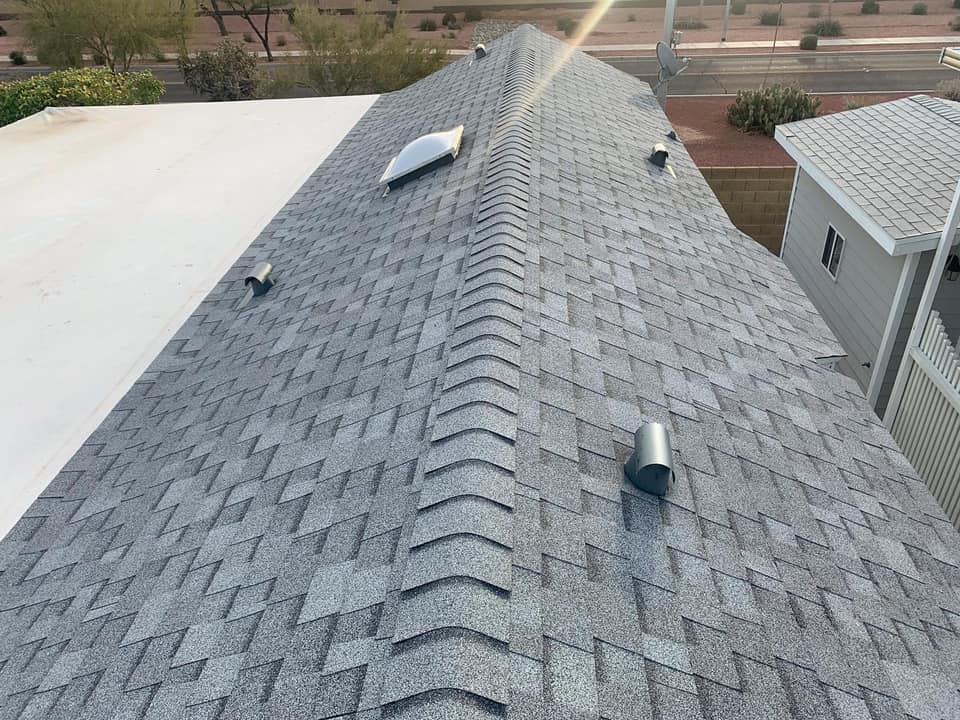
The roof is cleaned and prepared first, and any wet or failed material is removed. Two liquid components are mixed at the spray gun and expand within seconds into rigid, closed-cell foam. The foam is usually applied at least an inch thick, and more where it's tapered toward drains and scuppers to move water off the roof.
Bare foam can't take sunlight, so it's covered with an elastomeric coating, usually acrylic or silicone, applied in a base coat and a top coat. Some roofs get granules broadcast into the final coat for extra protection where people walk.
Recoat cycles: the secret to a long foam roof
The foam does the insulating and waterproofing, and the coating protects the foam. As UV wears the coating down, it chalks and thins. Recoating before the foam is exposed keeps the system healthy, and many foam roofs are recoated every 5–10 years depending on the coating type and thickness.
Skip the recoat too long and the sun breaks down the top of the foam, which turns brown, crumbles and loses thickness. At that point the damaged foam has to be removed and replaced before a new coating will hold.
Blisters, bird damage and other problems
Most foam roof damage is small and fixable if caught early.
- Blisters: raised bubbles caused by moisture or poor adhesion; they're cut out, filled and recoated
- Bird pecks: birds pick at foam and leave holes that let water in; patch quickly
- Foot traffic: worn paths near AC units and access hatches
- Ponding: low spots that hold water and wear the coating faster
- Cracks at edges: around parapets, curbs and penetrations
Foam roof maintenance checklist
Look at your foam roof, or have it inspected, at least once a year and after major monsoon storms.
- Clear debris from drains and scuppers
- Look for yellow or brown foam showing through the coating
- Check for pecks, punctures and blisters
- Inspect around AC units, vents and skylights
- Note any areas that hold water two days after rain
- Plan your next recoat before the coating wears through
Solar, energy and monsoon season
A white foam roof reflects much of the sun's heat, and the foam itself adds insulation, so it can help top-floor rooms stay cooler. Solar can go on foam roofs using mounts that are sealed into the foam and coating. Monsoon rain and humidity affect foam application, so we schedule spraying for dry conditions. For pricing factors, see the Roofing Cost Guide.
Related services
Spray Foam Roofing
Our featured system: seamless, insulating, renewable roofs.
Learn more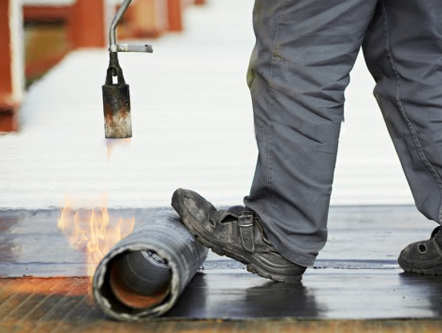
Elastomeric Coatings
Reflective, waterproof coatings for flat roofs.
Learn more
Flat Roofing
Low-slope roofs on homes, patios and businesses.
Learn more
Commercial Roofing
Flat roofs, foam, coatings and maintenance for businesses.
Learn moreFrequently asked questions
Still have a question? Call the office at 602-548-3770, Monday to Friday, 7 am to 5 pm.
How long does a foam roof last?
With regular recoating, a foam roof can last 20 years or more. The foam itself is durable; the protective coating on top is what needs periodic renewal.
How often does a foam roof need to be recoated?
It depends on the coating type and thickness, often every 5–10 years. An inspection will show if your coating is getting thin or if bare foam is showing.
What are signs my foam roof needs attention?
Exposed yellow or brown foam, cracks or peeling in the coating, blisters, bird pecks, ponding water, and soft spots.
Can foam be applied over my existing flat roof?
Often, yes, if the existing roof is dry and sound. Wet or deteriorated material must be removed first. We'll check during the inspection.
Is foam roofing good for homes or only commercial buildings?
Both. Many Arizona homes have foam on flat sections such as patios, additions and garages, and many commercial buildings use foam on the entire roof.
What happens if I don't recoat my foam roof?
UV breaks down the exposed foam, which turns brown, crumbles and gets thinner. Water can then get in, and the damaged foam must be removed and replaced before recoating, which costs more than a timely recoat.
Are blisters on a foam roof serious?
A few small blisters are usually a simple repair. They should be cut out, filled and recoated so they don't crack open and let water in. Many blisters across the roof can point to a moisture or adhesion problem worth investigating.
How do I keep birds from damaging my foam roof?
Repair pecked areas quickly so birds aren't drawn back to them, and keep the coating in good shape. Granules in the top coat can make the surface less appealing to peck.
Can I walk on a foam roof?
Foam is firm enough for occasional foot traffic, such as servicing an AC unit. Regular walking wears the coating, so heavy-traffic paths may need extra protection like a granulated coating.
How much insulation does foam add?
Spray foam adds roughly R-6 per inch of thickness, and the thickness varies across the roof where it's tapered for drainage. That insulation is in addition to whatever is already in the building.
Is a silicone or acrylic coating better on foam?
Silicone holds up well where water ponds, while acrylic is often less expensive and very reflective. The best choice depends on your roof's drainage and what's already on it. See our elastomeric coatings page for more.
How much does a foam roof or recoat cost?
Every roof is different. Size, foam thickness, coating type, repairs and whether the old roof must be removed all affect cost. See /resources/roofing-cost-guide/, or call 602-548-3770. If we don't answer, leave a message and we'll return your call within 24 hours.
Let's take a look at your roof.
Call the office at 602-548-3770 to schedule an estimate, Monday to Friday, 7 am to 5 pm. If we don't answer, leave a message and we'll return your call within 24 hours.