
You can decorate an Arizona tile or shingle roof for Halloween without damaging it if you keep your feet off the tile, skip nails, screws and staples, and use clips or ground-based props instead. Most decorating damage comes from people walking on tile, fasteners punched through roofing, and heavy items pressing on fragile edges. Plan your display from a ladder and the ground, take it down carefully, and check the roof once everything is put away.
Why tile roofs need extra care
Concrete and clay tile are tough against sun and rain, but they don't hold up well to weight. A tile can crack under one footstep, and the break isn't always visible from the ground. The tile itself also isn't what keeps water out. The underlayment beneath it does that work, and a cracked or shifted tile leaves that layer exposed to UV and monsoon rain.
That's why a decoration that seems harmless, like a staple through a tile edge or a prop resting on the field of the roof, can turn into a leak months later. Our tile roofs page covers how these systems are built and why the underlayment matters so much.
Never walk on a tile roof to decorate
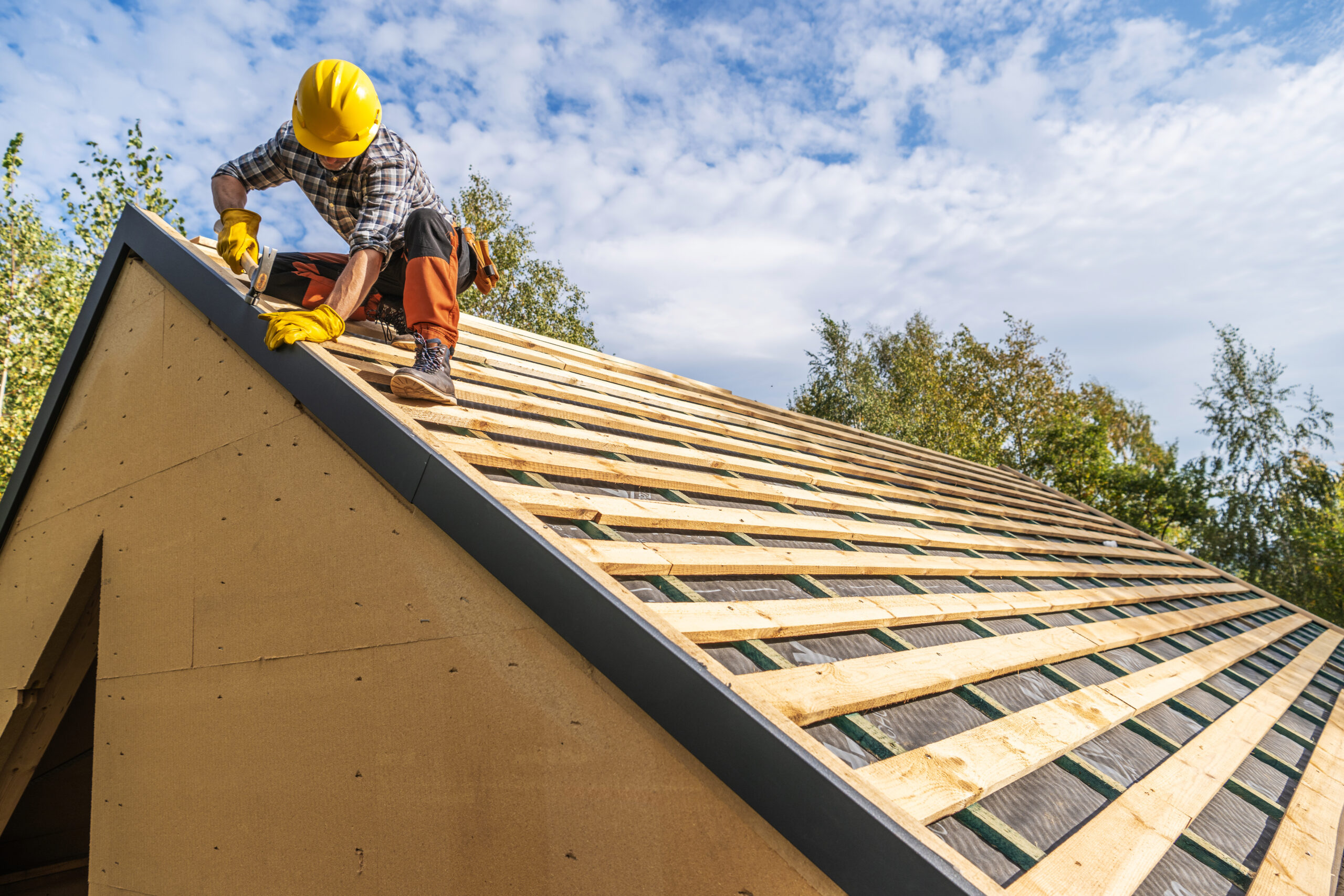
This is the most important rule in this post. Don't climb onto a tile roof to hang lights, place props or anchor inflatables. A homeowner carrying lights and clips can easily crack several tiles without knowing it.
Shingle roofs are more forgiving, but they aren't a safe place to work either. If a decoration can only be reached by walking the roof, choose a different spot or a different decoration.
Use clips, not nails, screws or staples
Every hole in a roof is a potential leak path. Fasteners driven into fascia, tile or shingles leave openings that let water reach wood and underlayment, and they stay there long after the decorations come down.
- Gutter clips hook onto the lip of a gutter and hold a light strand without any holes.
- Shingle tabs slide gently under the edge of a shingle on the lowest course. Don't force them or lift shingles so far that the seal breaks.
- Adhesive hooks rated for outdoor use work on smooth fascia and stucco. Arizona heat can soften some adhesives, so test one before you commit.
- Tension or ridge clips made for tile should only be placed from a ladder at the eave. If placing them means stepping onto the tile, skip them.
Keep inflatables and props off the roof
Giant spiders and rooftop ghosts look great, but anything sitting on the roof adds weight and catches wind. Fall winds and the occasional late storm can drag a prop across tile, scrape shingles, or pull the anchor line hard enough to lift roofing.
- Set inflatables on the lawn, driveway or patio and stake them into the ground.
- Don't tie anchor lines to vent pipes, flashing or roof jacks. These parts seal the roof and can be bent or loosened.
- Hang lightweight props from the patio cover beam or eave edge only if you can reach them safely from a ladder.
Ladder safety in Arizona heat
Late October afternoons in the Valley can still be hot, and a ladder in direct sun can get uncomfortable to grip. Work in the cooler morning hours and bring water.
- Set the ladder on firm, level ground, not on gravel that shifts or on soft turf.
- Lean the ladder against the wall or fascia, not against a gutter, which can dent or pull away.
- Keep your hips between the rails and move the ladder instead of reaching sideways.
- Have a second person hold the base and hand you lights and clips.
Use outdoor-rated cords and lights, and plug them into a GFCI outlet. Avoid running cords under tiles or through gaps in the roofline.
Watch for bats and birds under the tiles
The open ends of tile at the eaves can give birds and bats a sheltered spot to nest. While you're up the ladder, look for nesting material, droppings on the wall or patio, or gaps where tile ends are open to the attic side of the roof.
Don't reach into these openings or try to remove animals yourself. Bats in particular should be handled by a wildlife professional. Once they're gone, the usual fix is bird stop, a pre-formed closure that fills the open space under the first row of tile. If you notice missing or broken bird stop, or debris packed under the tile, that's a good reason to have the eave area looked at. Our repairs and maintenance team handles bird stop and loose eave tile.
Take decorations down carefully
Damage often happens during removal. Pulling a light strand off in one long tug can drag clips across tile, pop shingle tabs, or bend gutters.
- Remove clips one at a time from the ladder.
- Peel adhesive hooks slowly, using the release tab if there is one.
Check your roof after Halloween
Once everything is put away, take a few minutes to look over the roof from the ground and from a ladder at the eave. Look for cracked or slipped tiles, lifted shingles, loose drip edge, bent gutters, and anything left behind on the roof.
Our guide to safe DIY roof checks walks through what to look for without stepping on the roof. If you spot damage, or you aren't sure what you're looking at, a professional roof inspection is a paid service that gives you a clear picture before the next rain.
Questions homeowners ask
Can I staple lights to my fascia or eaves?
We don't recommend it. Staples and nails leave holes that let moisture into the wood, and they can split older fascia. Gutter clips or outdoor adhesive hooks hold lights just as well without the damage.
Is it okay to walk on my tile roof if I step carefully?
No. Tile can crack under a single step, and the cracks are often hidden. If you need to reach something on the roof, call a roofer rather than walking it yourself.
What is bird stop and do I need it?
Bird stop is a closure piece installed under the first row of tile at the eave. It keeps birds and other animals from nesting in the open space under the tile. If yours is missing or damaged, it's worth having it replaced.
Will a cracked tile cause a leak right away?
Not always. The underlayment beneath the tile is the main water barrier, so a crack may not leak at first. Over time, though, the exposed underlayment wears faster, so it's best to replace broken tile soon. You can find more answers on our FAQ page.
If decorating turned up a cracked tile, a loose eave or signs of nesting, call us at 602-548-3770, Monday to Friday, 7 am to 5 pm. If we don't answer, leave a message and we'll return your call within 24 hours.