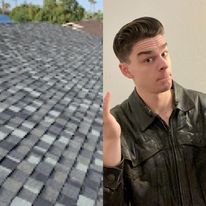

After monsoon season ends on September 30, the best fall roof checkup is a look from the ground and the attic for anything the summer storms moved, cracked or soaked: slipped or broken tile, lifted shingles, debris in valleys and gutters, and stains on ceilings or roof decking. If you spot any of those, have a roofer inspect it before winter rain arrives. Winter storms are slower and steadier than monsoon bursts, so a small opening left from summer can turn into a real leak by January.
Why fall is the right time to check your roof
Monsoon storms in the East Valley bring strong wind gusts, blowing dust, sudden heavy rain and sometimes hail, all packed into a few months of high heat. A roof can take a hit during a July storm and show no sign of it for weeks. Fall gives you the first stretch of calm, cooler weather to look things over.
It's also good timing. Roofers in Gilbert, Mesa and Chandler are usually less rushed in fall than in the middle of monsoon season, and repairs made now are finished before winter rain tests the roof. Waiting until you see a drip on the ceiling usually means the damage has been growing for a while.
What to look for from the ground
You don't need to climb a ladder onto the roof to learn a lot. Walk around the house on a clear morning, and use binoculars if you have them. Look for:
- Slipped, cracked or missing tile. Look for gaps in the rows, tile that sits crooked, or pieces lying in the yard, on the patio or in the gutters.
- Lifted or missing shingles. On asphalt shingle roofs, wind can lift tabs and break the seal even if the shingle stays in place. Look for edges that curl up or areas that look a different color.
- Debris in valleys. Valleys are the channels where two roof slopes meet. Monsoon wind packs them with leaves, palm fronds and dirt, which can push water sideways under tile or shingles.
- Bent or loose flashing. Check around chimneys, walls, skylights and vent pipes for metal that has pulled away or sits at an odd angle.
- Clogged gutters, scuppers and downspouts. Dust and storm debris settle here and can cause water to back up onto the roof edge.
- Exposed underlayment. If you can see dark felt or synthetic material where tile should be, that layer is now taking direct sun and rain.
Take photos of anything that looks off. They help a roofer understand what you saw and compare it with what they find up close.
Check the attic and ceilings too
Some of the clearest signs of storm damage are inside the house. On a cool morning, take a flashlight into the attic if you can get there safely and stay on the framing. Look for:
- Water stains or dark spots on the underside of the roof decking
- Damp or matted insulation
- Rusty nail tips or streaks running down rafters
- Daylight showing through places it shouldn't
- A musty smell that wasn't there before summer
Then walk through the house and look at ceilings, especially near exterior walls, around skylights and in closets that get little attention. A faint ring or a patch of bubbling paint can be the first sign of a monsoon leak that only shows up during heavy rain.
Roof-type specifics for the East Valley
Concrete and clay tile
Tile roofs are common across Gilbert, Mesa and Chandler. The tile protects the roof from sun and sheds most of the water, but the underlayment beneath it is the main water barrier. Wind can shift tile enough to open gaps, and falling branches can crack pieces. Don't walk on a tile roof to check it. Tile cracks easily under foot, and you could cause more damage than the storm did. Our tile roofs page explains how these systems work.
Asphalt shingles
Watch for missing shingles, lifted edges and heavy granule buildup in gutters or at the bottom of downspouts. A shingle that was lifted by wind may no longer be sealed, which leaves it open to the next gust.
Flat, foam and coated roofs
Low-slope roofs on patios, additions and many older homes are where monsoon water tends to sit. After the season, look for areas where water ponded and left a ring of dirt, blistered or cracked coating, and clogged scuppers. Our flat roofing and foam roofing pages describe what healthy systems look like.
A simple post-monsoon checklist
- Walk the perimeter and photograph each side of the roof.
- Clear gutters and downspouts you can reach safely from a ladder on firm ground.
- Pick up any tile pieces or shingle debris from the yard and keep them to show your roofer.
- Check the attic for stains, damp insulation and daylight.
- Look over ceilings and walls inside the house.
- Trim branches that hang over or rub against the roof.
- Write down anything you found and when you noticed it.
- Schedule a professional inspection if anything looks wrong, or if it's been a few years since your last one.
When to call a roofer
Call a roofer if you see broken or missing tile, exposed underlayment, a new ceiling stain, wet insulation, or flashing that has pulled loose. Those problems rarely get better on their own, and winter rain will find them.
A professional roof inspection covers the parts you can't see safely from the ground: the condition of the underlayment, fasteners, flashing details and valleys. If the inspection finds problems, our repairs and maintenance team can fix them before the weather turns. For a sense of what repairs and replacements typically involve, see our roofing cost guide.
Questions homeowners ask
My roof didn't leak during monsoon season. Do I still need to check it?
It's still worth a look. Monsoon rain often comes in short bursts, so water may not have had time to get through a damaged spot. Winter rain lasts longer and can reach openings that summer storms created but didn't expose.
Can I walk on my roof to check for damage?
Not on a tile roof. Tile cracks easily under foot. For any roof type, it's safer to look from the ground, a ladder on firm footing at the eave, or the attic, and leave the roof surface to a professional.
Do you charge for roof inspections?
Yes. Our roof inspections are a paid service, because they take time on the roof and produce a detailed look at its condition. Many homeowners find that's worth it after a rough monsoon season. You can learn more on our roof inspections page.
Will homeowners insurance cover monsoon damage?
That depends on your policy and the cause of the damage. Photos taken soon after a storm and a roofer's written findings can help when you talk with your insurance company. Our FAQ and resource library have more on storm damage.
Integrity Roofing has been family owned since 1993 and works on homes across Gilbert, Mesa, Chandler and the rest of the East Valley (Arizona ROC #096629). If your fall checkup turned up anything that worries you, call us at 602-548-3770, Monday to Friday, 7 am to 5 pm. If we don't answer, leave a message and we'll return your call within 24 hours.